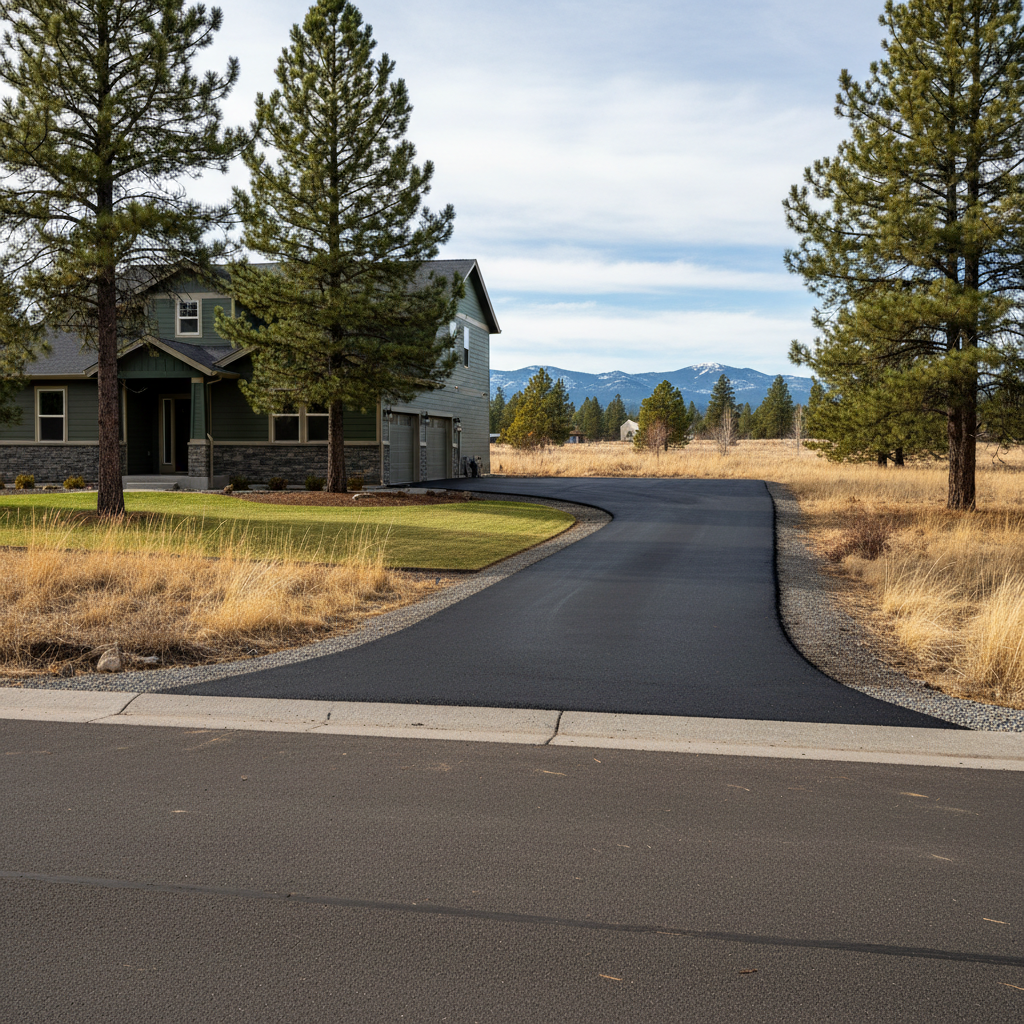
Alright, let's talk asphalt here in Klamath Falls. I get a lot of calls from folks wondering when the 'best' time is to get their driveway or parking lot paved, or even just repaired. Honestly, it's not a simple 'anytime' answer, especially with our specific climate. You've gotta think about the seasons, what they do to the ground, and how that affects the asphalt itself.
When's the Right Time to Pave in Klamath Falls?
Look, asphalt paving isn't a year-round gig around here. You can't just lay hot asphalt in freezing temperatures and expect it to last, can you? The material needs to be hot when it goes down. And the ground underneath? It needs to be warm enough for the asphalt to cure correctly. If it's too cold, the asphalt cools too fast. It won't compact right, and you'll end up with a weak, brittle surface that'll crack and fail way sooner than it should.
For us in Klamath Falls, that usually means the sweet spot is late spring, through summer, and into early fall. Think May, June, July, August, September. Sometimes even October if we get a nice, long Indian summer. What we're looking for is consistent daytime temperatures above 50 degrees Fahrenheit, and ideally, nighttime temps that don't drop much below that either. This gives the asphalt mix time to bond and settle correctly.
Why is this so critical? Well, our ground here can get pretty cold and stay cold for a while. We're not talking about a quick thaw, not by a long shot. When you're dealing with a new installation, the subgrade – that's the dirt and gravel underneath – needs to be stable and dry. If the ground's frozen or waterlogged from spring melt, you're just asking for trouble down the line. You'll get heaving, cracking, and potholes faster than you can say 'winter is coming'.
Weather Conditions That Make or Break Your Paving Job
Beyond just the temperature, there are a few other weather factors we're always keeping an eye on when we're scheduling a job for Summit Asphalt Inc.
- Rain: This is a big one. You absolutely cannot pave in the rain. Water and hot asphalt just don't mix. Rain cools the asphalt too quickly, which prevents proper compaction. It can even cause the binder to separate. It's a mess, and it's a recipe for a failed pavement. If rain is in the forecast, we're rescheduling. Period.
- Wind: While not as critical as rain, strong winds can be an issue. They can cool the asphalt mix down faster, making it harder to work with and compact properly. Strong winds also blow dust and debris onto the fresh surface, which isn't ideal for a clean finish.
- Humidity: High humidity isn't usually a deal-breaker for paving, but it can affect how quickly the asphalt cures. It's more of a factor for sealcoating, where you need low humidity for the product to dry and bond correctly.
So, when you call us, don't be surprised if we're talking about the forecast as much as we're talking about the size of your driveway. We're trying to set you up for success, not just get the job done.
Protecting Your Asphalt Investment Year-Round
Okay, so you've got a beautiful new asphalt surface. Now what? You've got to protect it, especially with the kind of weather we get here in Klamath Falls. Our freeze-thaw cycles are brutal on pavement.
- Sealcoating is your best friend: I can't stress this enough. Sealcoating every 2-3 years, depending on traffic and wear, is the single best thing you can do. It's like sunscreen for your asphalt. It protects against UV rays, which dry out the binder and make the asphalt brittle. It also creates a barrier against water, oils, and chemicals. That water protection is huge here, preventing it from seeping into cracks and freezing, which leads to potholes.
- Address cracks early: See a crack? Don't ignore it. Even small cracks let water in, and that water will expand when it freezes, making the crack bigger and bigger. Get those cracks filled as soon as you notice them. It's a lot cheaper to fill a crack than to repair a pothole or replace a section of pavement.
- Keep it clean: Don't let oil spills, gasoline, or other chemicals sit on your asphalt. Clean them up promptly. These substances can break down the asphalt binder over time. Also, keeping heavy debris, like large rocks or branches, off your driveway helps prevent surface damage.
- Proper drainage: This might sound obvious, but make sure water is draining *off* your asphalt, not pooling on it. Standing water accelerates deterioration, especially in winter. If you have areas where water collects, it might be worth looking into improving your drainage.
- Snow removal care: When you're plowing or shoveling snow, be careful not to gouge or scrape the asphalt surface. Use plows with rubber edges if possible, and try to lift shovels slightly.
Our climate is beautiful, but it's tough on everything, especially pavement. By understanding when to pave and how to maintain it, you'll get years and years of good service out of your asphalt. It's all about being proactive and smart about your investment.