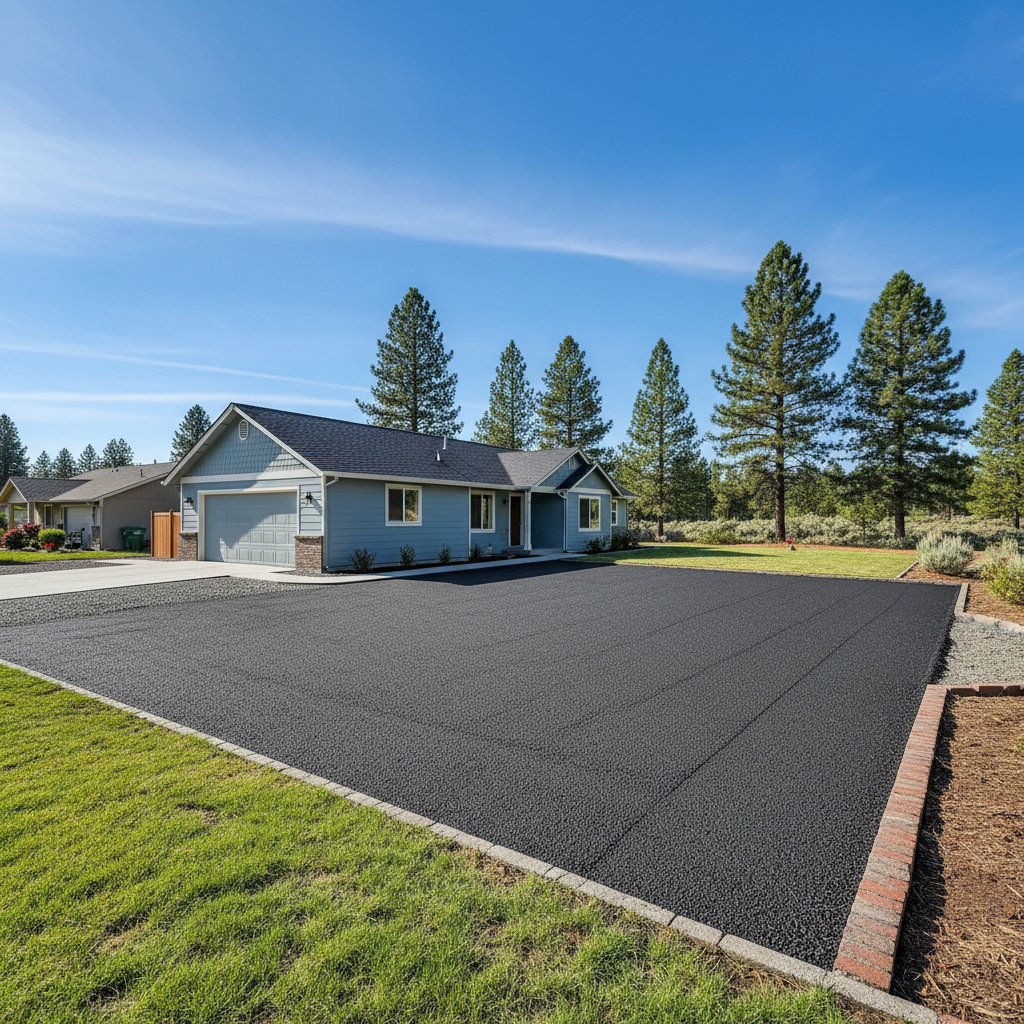
So, you've got milled asphalt on your property, maybe for a driveway, a parking lot, or a private road. Good choice, really. It's a solid, budget-friendly option that can hold up well. But here's the thing: nothing lasts forever without a bit of care, especially with our Klamath Falls weather throwing everything it's got at it. You want that investment to last, right? Let's talk about how to keep it looking good and performing strong for years.
Making Your Milled Surface Last Longer
The biggest thing you can do to extend the life of your milled asphalt is to seal it. Think of it like sunscreen for your pavement. Unsealed milled asphalt is more porous than new hot-mix asphalt. That means water can get in easier, and the sun's UV rays can break down the binders faster. We're talking about a sealcoat application, usually a few months after the milling is done, once the surface has had a chance to compact and cure a bit. This creates a protective barrier against water, oil, and sun damage. It also helps bind those loose aggregate particles that can sometimes come up on a milled surface, especially right after installation.
Drainage is another big one. If water is pooling on your milled surface, it's going to cause problems. Water is the enemy of any pavement, period. Make sure downspouts aren't dumping directly onto it and that any low spots get fixed. Here in Klamath Falls, we get those freeze-thaw cycles, especially in the winter. If water seeps into cracks and then freezes, it expands and makes those cracks bigger. That's called 'frost heave,' and it's a real killer for pavement. Good drainage minimizes standing water, which in turn minimizes frost heave damage.
Simple Maintenance You Can Do Yourself
Regular maintenance for milled asphalt isn't rocket science, but it is important. First off, keep it clean. Sweep off dirt, leaves, and debris regularly. This prevents organic matter from breaking down on the surface and causing issues. Plus, it just looks better.
Next, keep an eye out for weeds. Weeds love to sprout through cracks, and their roots can cause significant damage over time. Pull them out as soon as you see them, or use a weed killer. Don't let them get established!
If you have any oil or gas spills, clean them up immediately. Petroleum products are terrible for asphalt binders and will soften and degrade the surface if you leave them to sit. A simple absorbent like kitty litter can do the trick, then sweep it up.
Warning Signs of Trouble
You're not a pavement expert, and you don't need to be, but you can definitely spot the early warning signs that something's not right. Catching these early can save you a lot of money down the road. Here's what to look for:
- Cracks: Any cracks, especially alligator cracking (a series of interconnected cracks resembling alligator skin), are a red flag. Small cracks can be sealed, but alligator cracking usually means the base is failing.
- Potholes: These are obvious. A pothole means the surface has completely failed in that spot, and water is getting directly into your sub-base. Don't ignore them; they only get bigger.
- Raveling: This is when the aggregate (the small stones) starts to come loose from the surface. You'll see loose gravel on top. This often indicates the binder is failing, or it wasn't properly compacted.
- Pooling Water: After a rain, if you have puddles that stick around for hours, you've got a drainage problem that needs addressing.
- Soft Spots: If you notice areas that feel soft or spongy when you drive or walk over them, that's a sign of a failing base layer underneath.
When to Call a Professional
Look, for minor stuff like sweeping or pulling weeds, you're all set. But for anything more serious, you really need to call in the pros. That's where Summit Asphalt Inc. comes in. You should definitely give us a call if you see:
- Widespread cracking or potholes: A few small cracks you might be able to seal yourself, but if your surface looks like a spiderweb or has multiple potholes, it's time for an assessment. We can figure out if it needs patching, an overlay, or something more extensive.
- Significant raveling: If you're constantly sweeping up loose aggregate, your surface is deteriorating. A sealcoat might help, or it might be past that point.
- Drainage issues you can't fix: If you've got standing water and you can't figure out why, we can assess the grading and recommend solutions.
- Soft spots or depressions: These are almost always a sign of a sub-base problem, which requires professional equipment and expertise to fix correctly.
Don't wait until your milled asphalt is a complete mess. A little proactive maintenance and knowing when to call us can save you a ton of money and headaches. We've seen it all, from the older homes in the Michigan-Oregon neighborhood with their long driveways to commercial lots downtown. We know what works here in Klamath Falls.