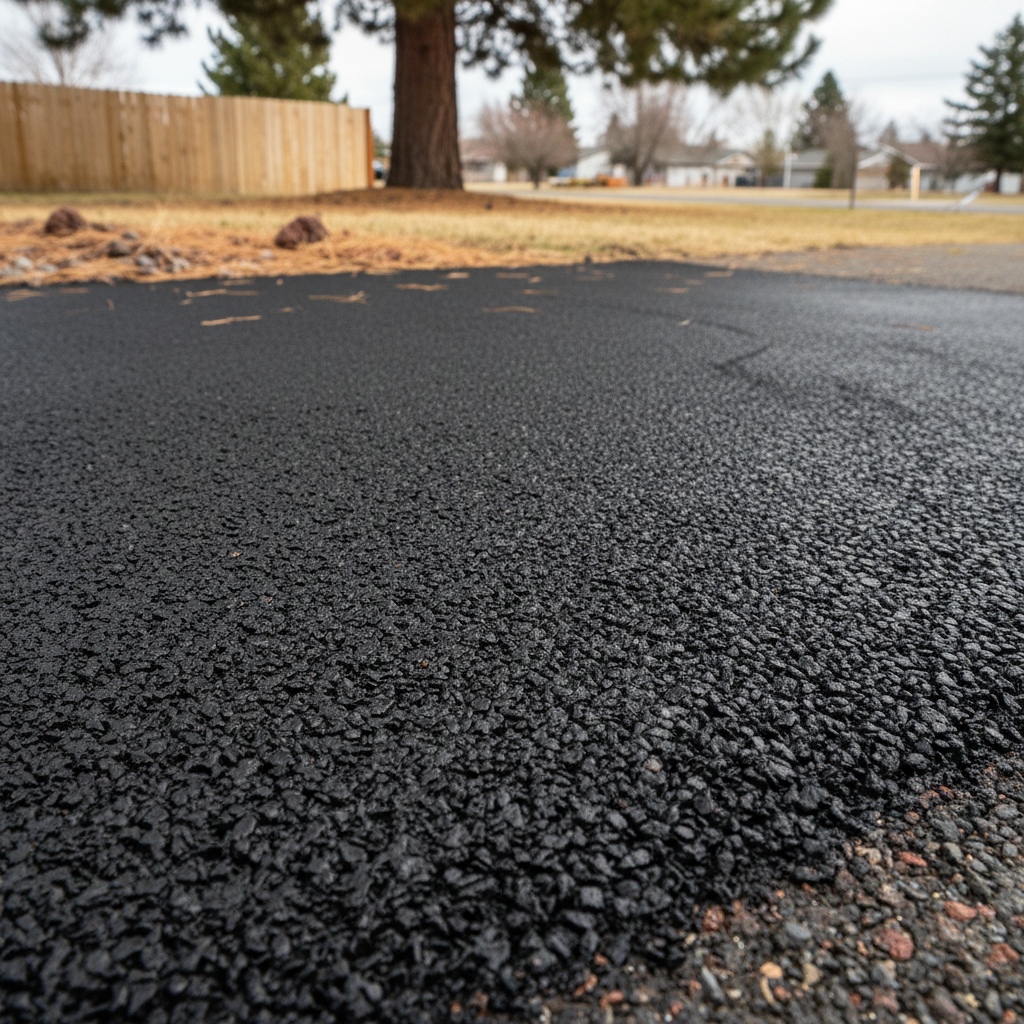
Got a pothole or a crack messing up your driveway? You're probably wondering if you can just patch it yourself. It's a fair question, honestly, and for some minor stuff, yeah, you absolutely can. But when the problems get bigger, you're usually better off picking up the phone instead of a shovel. Let's dig into what you should know before, during, and after a patching project, right here in Klamath Falls.
Before You Start: Check Out the Damage
First things first, take a really good look at what you're up against. Is it just a small crack? A whole spiderweb of them? Or are we talking about a full-blown crater? That's going to totally change your approach.
- Small, isolated cracks (1/4 inch wide or less): These are usually pretty easy to handle yourself. We're talking crack filler here, not really a patch job.
- Larger cracks (over 1/4 inch) or small potholes (less than a foot across, not too deep): This is where cold patch asphalt comes in handy. It's a temporary fix, sure, but it can definitely buy you some time.
- Big potholes, extensive alligator cracking, or spots where the asphalt is just crumbling: If a section looks like it's been through a war zone, or if the base layer underneath is messed up, you've probably hit the end of DIY territory. This stuff needs pros. We're talking proper excavation, base repair, and hot mix asphalt — something you won't find at the hardware store.
Oh, and think about the time of year too. Trying to patch asphalt when it's freezing outside, which happens a lot here in our Klamath Falls winters, just won't work. The material won't cure properly. Aim for warmer, dry days, ideally when it's above 50 degrees Fahrenheit.
During the Project: Getting Your Hands Dirty (or Not)
Okay, so you've decided it's a DIY job. Here's the general idea:
For Cracks:
Clean them out. Seriously, this is probably the most important step. Get all the dirt, debris, weeds, and loose bits out of there. A wire brush, a screwdriver, even a leaf blower can help. Make sure it's dry. Then, apply your asphalt crack filler. Just follow the product's instructions; some pour, some you squeeze in. Don't overfill it, or you'll end up with a hump. You might even need a second application after the first one settles a bit.
For Small Potholes (Cold Patch):
Again, cleanliness is absolutely key. Dig out any loose asphalt, dirt, or gravel from the pothole. You want a firm, clean edge. If there's water in there, get it out and let it dry as much as you can. Then, shovel in your cold patch material. Overfill it slightly, maybe an inch or two above the surrounding pavement. Now, compact it. You can use a hand tamper, the back of a shovel, or even drive your car over it a few times. The more you compact it, the better it'll hold. This stuff is designed to be a temporary fix, so don't expect miracles, but good compaction really makes it last longer.
When to Call the Pros (Like Summit Asphalt Inc.)
Look, I'm all for saving a buck, but some jobs just aren't meant for a DIY approach. If you've got:
- Deep, wide potholes: These often point to a problem with the sub-base, not just the surface. You'll need proper excavation and a hot mix asphalt repair for a fix that actually lasts.
- Extensive cracking over a large area: If your driveway looks like a spiderweb, patching individual cracks is kind of like putting a band-aid on a broken leg. You're better off with a larger repair or even a full overlay.
- Drainage issues: If water consistently pools in certain spots, patching won't solve the real problem. You need someone to check the grading and drainage.
- You just don't have the time or tools: And that's totally okay to admit! We've got the heavy equipment and the right materials to get it done efficiently and correctly.
A professional repair, especially with hot mix asphalt, is going to be way more durable and last much longer than any cold patch you can put down. We see a lot of driveways around the Mills Addition and other older neighborhoods that have seen better days. While a quick patch can help, sometimes it's just delaying the inevitable. A good repair from Summit Asphalt Inc. will save you headaches and money in the long run, believe me.
After the Patch: What to Expect
If you've done a cold patch, it'll cure over time, getting harder as traffic drives over it. Keep an eye on it, though. If it starts to sink or crumble, you might need to add more material and re-compact. For crack fillers, just make sure to keep the area clean and free of weeds. Remember, these are maintenance steps, not permanent solutions for a failing driveway. Regular sealing every few years can also extend the life of your asphalt, whether it's patched or not.
Ultimately, knowing your limits is key. For small stuff, go for it! For anything more serious, don't hesitate to get a professional opinion. It'll save you time, frustration, and often, more money down the road.